Picking Between Assisted Living and Memory Care: A Practical Guide to Senior Care
Business Name: BeeHive Homes of Henderson
Address: 1000 Greenway Rd, Henderson, NV 89002
Phone: (702) 551-0265
BeeHive Homes of Henderson
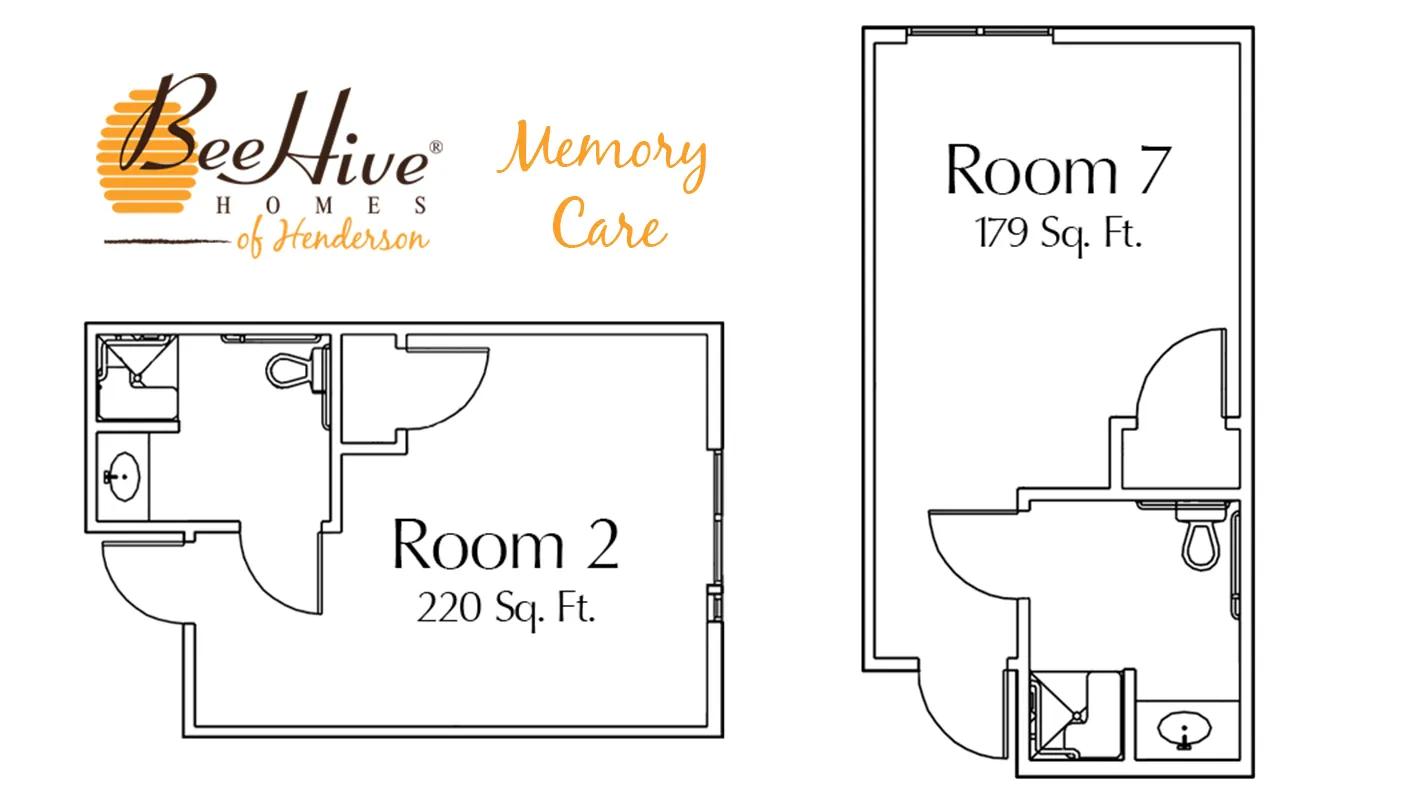
At BeeHive Homes of Henderson, Nevada, we offer the finest assisted living and memory care experience available in a cozy, comfortable homelike setting. Each of our residents has their own spacious room with an ADA approved bathroom and shower. We prepare and serve delicious home-cooked meals three times a day every day. We maintain a small, friendly community of only 20 residents per home. We provide regular activities that our residents find fun and contribute to their health and well-being. Our staff is attentive and caring and provides assistance with daily activities to our residents in a loving and respectful manner. We would like to invite you to tour and experience our memory care & assisted living home and feel the difference.
1000 Greenway Rd, Henderson, NV 89002
Business Hours
Deciding where an older grownup should live when self-reliance starts to wane is one of the hardest options families face. The decision is rarely almost physicals. It touches identity, security, money, family dynamics, and a life time of routines. When memory problems go into the picture, the stakes rise even further.
Assisted living and memory care both sit under the broad umbrella of senior care, yet they serve various requirements and assume different levels of danger. As someone who has strolled families through these discussions, I have actually seen excellent results and some painful missteps. The distinction typically comes down to timing, clear-eyed assessment, and honest conversations.
This guide unloads how assisted living and memory care vary in practice, who flourishes where, and how to make a decision you can deal with, even if it is not perfect.
How Assisted Living Fits Into the Senior Care Landscape
Assisted living was initially designed for older grownups who do not need a nursing home, but can not or should not live totally by themselves. The design focuses on housing plus assist with daily activities, layered with social chances and some basic health monitoring.
Residents normally have their own apartment or condo or suite, with a personal bathroom and a little kitchen space. Staff support usually includes help with bathing, dressing, grooming, medication reminders or administration, and in some cases escorts to meals or activities. Meals, housekeeping, and transportation are commonly bundled into the regular monthly fee.
In lots of communities, assisted living works well for older grownups who:
- Can communicate their needs, preferences, and discomfort dependably
- Are mainly stable on their feet, with or without a walker
- Can follow easy safety directions, like using a call button or waiting for support to transfer
- Have mild forgetfulness but no significant behavioral changes or wandering
Assisted living can be an excellent alternative to remaining at home with an overstretched family or unreliable outdoors assistance. It can also extend independence. A resident may use a walker safely, eat regular meals with peers, and get prompt medication, which can prevent falls and hospitalizations.
The challenge arises when memory modifications outpace the environment. Assisted living structures are normally not locked. Doors might have alarms, but homeowners can still walk out. Activities are not always tailored to cognitive problems. Personnel ratios are built around homeowners who can usually manage themselves between arranged jobs. That is where memory care comes in.
What Makes Memory Care Different
Memory care is a specialized form of elderly take care of people dealing with dementia, including Alzheimer's disease, vascular dementia, Lewy body dementia, and other cognitive conditions. Some communities are standalone memory care centers, while others are different, safe wings within a larger assisted living building.
What differentiates memory care is not only locked doors, but a different philosophy of care. The objective shifts from supporting partial independence to actively handling threat, structure, and sensory input for somebody whose brain can no longer dependably translate the world.
In well run memory care units, you typically see:
- Secured doors and enclosed outside spaces to avoid unsafe roaming
- Higher personnel to resident ratios compared with basic assisted living
- Staff trained in dementia interaction, redirection, and behavioral methods
- Simplified physical layouts to reduce confusion, with clear cues and landmarks
Schedules tend to be more structured. Meals take place at the exact same time, in the exact same place, with constant staff. Activities are much shorter, repeated, and built around maintained capabilities rather than brand-new learning. Lighting, noise levels, and visual mess get more attention due to the fact that sensory overload can set off anxiety or aggressiveness in dementia.
An individual who consistently leaves the stove on in your home, gets lost on familiar paths, mismanages medications, or misunderstands easy instructions is typically much safer in memory care than in a traditional assisted living setting. The environment is not only more secure for the resident, however likewise for other locals and personnel, particularly when habits like nighttime wandering, exit looking for, or hostility appear.
Assisted Living vs Memory Care: The Practical Differences
On paper, the distinctions between assisted living and memory care can look nearly abstract. In practice, they appear in small daily minutes: who notifications that dad did not eat lunch, who redirects mom when she is attempting to go "home" at midnight, who deals with medications when there is suspicion or paranoia.
Here is a focused comparison of typical functions families ask about:
|Element|Assisted Living|Memory Care||-- |-- |--|| Primary purpose|Assistance with day-to-day jobs and socialization for reasonably independent seniors|Protect, structured environment and specialized assistance for individuals with dementia|| Security functions|Opened main doors, call systems, some alarms|Secured doors, confined outdoor areas, alarmed exits, roam management|| Staff training|General senior care, fundamental dementia direct exposure|Focused dementia training, interaction and habits management skills|| Staff to resident ratio|Lower, based on locals needing intermittent aid|Greater, acknowledging regular cueing, monitoring, and habits assistance|| Daily structure|More flexible, choice driven|More regular driven, predictable, and simplified|| Cost|Generally lower|Usually greater due to staffing and security needs|
These are broad patterns, not stiff rules. Some high end assisted living neighborhoods have strong dementia shows and staffing, while some budget plan memory care units operate closer to basic custodial care. Touring specific structures, observing, and asking hard questions reveals more than any label.
Behavioral and Cognitive Hints That Memory Care Might Be Safer
Families typically wait too long to move a loved one from assisted living to memory care, in some cases out of love, in some cases out of denial. Homeowners might state, "I'm not insane, I'm not going behind locked doors." Adult children do not wish to be the bad guy. The outcome can be a harmful "middle zone" where needs have actually outgrown the present setting.
Certain patterns must prompt a severe take a look at memory care, even if the individual has not gotten an official dementia medical diagnosis yet.
Repeated wandering or exit seeking is a major warning sign. In one case I recall, a gentleman in assisted living left the building 3 times in a month, trying to find his youth home. Personnel found him rapidly each time, however the neighborhood was not secured. The family intended to delay memory care due to the fact that "he has good days." Excellent days do not counteract the risk on bad days. Memory care considerably lowered his elopement threat and his anxiety.
Escalating habits around sundown, in some cases called "sundowning," can likewise stretch assisted living beyond its capacity. Homeowners might pace, shout, decline care, or accuse personnel of stealing. Assisted living staff may not have sufficient time or dementia-specific training to step in early and successfully, particularly during hectic night hours.
Care refusals or misconstruing fundamental care tasks can also indicate that the person no longer fits a mostly independent design. If staff must convince, re-approach, and artistically reframe every shower or dressing attempt, that workload is much more in line with memory care staffing models.
Finally, frequent falls and bad safety awareness are severe, even if injuries are minor. An individual who stands up without locking their wheelchair, leans on an unsteady surface, or forgets to utilize assistive devices might do much better where staff anticipate, and proactively address, such habits throughout the day long.
When Assisted Living Is Still the Right Tier of Support
Not everyone with a memory diagnosis must transfer to memory care immediately. Mild cognitive problems, and even early dementia, can be manageable in assisted living if the environment and supports are right.
Assisted living might still be suitable when:
The person can reliably use a call button and accept wait times of several minutes for staff reaction. Someone who impulsively gets up alone each time they require the bathroom, even after mentor and pointers, might be much better secured in memory care.
They remember and browse familiar areas. Getting slightly turned around in a brand-new hallway is one thing. Repeatedly getting lost in between their own house and the dining room, or going into other residents' spaces, recommends a higher level of supervision is warranted.
They can securely take part in group activities without becoming overwhelmed or distressed. If a resident delights in bingo, workout class, or chapel, even with some triggers, assisted living can nurture that engagement. If groups set off paranoia, agitation, or roaming, tailored memory care activities may work better.
Their behaviors do not regularly disrupt others' security or wellness. Occasional confusion is regular. Regular yelling, striking, sexually disinhibited habits, or loudly implicating others can make a shared living environment untenable without the structure of memory care.
One essential nuance: some assisted living neighborhoods now provide "boosted assisted living" or "early memory assistance" programs. These can bridge the space, postponing or avoiding a relocate to a fully protected system. The quality of such programs differs widely, so visit, talk with current families, and observe both day and evening shifts before counting on them.
Costs, Agreements, and Hidden Financial Pressures
Money rarely drives the conversation at the very beginning, however it frequently winds up shaping what is possible. Assisted living is normally cheaper than memory care, however the space can narrow when you include on higher care levels inside assisted living.
Many assisted living communities use a tiered pricing system. The base rate covers room, board, and very little assistance. Extra costs get medication management, incontinence care, escorts to meals, regular transfers, and so on. As requirements increase, regular monthly expenses approach, often exceeding entry level memory care in the exact same building.
Memory care, by contrast, frequently utilizes more bundled rates. The base rate includes a higher staffing level, protected environment, and extensive help with the majority of everyday activities. Families may come across fewer surprise add-ons, though there can still be additional charges for one-to-one guidance, medical materials, or specialized equipment.
It is a good idea to study the admission contract carefully. Pay particular attention to:
- How the community specifies "too expensive a care need" for assisted living and what activates a compulsory relocate to memory care or discharge.
- How rate increases are managed, both annual adjustments and changes when the care level bumps up.
- What takes place if a resident's money runs out. Some nonprofit neighborhoods permit citizens to stay after personal funds deplete, utilizing internal altruism funds or Medicaid. Others require discharge.
Families sometimes plan based on finest case circumstances: "If mom stays in assisted living at this rate, her savings will last eight years." That works till she requires two individual help for transfers, incontinence care, and constant cueing. Then the rate structure can alter dramatically.
Working with a financial planner who understands long term senior care expenses can assist align expectations with reality. Long term care insurance, if readily available, may repay in a different way for assisted living versus memory care, so accurate documents and facility licensing status both matter.
Using Respite Care to "Check Drive" a Setting
Respite care is a brief remain in a senior living neighborhood, normally varying from a couple of days to a couple of weeks. Some families utilize respite when a main caretaker requires surgical treatment or travel. Others utilize it tactically, as a method to see how a parent carries out in assisted living or memory care before committing to an irreversible move.
For someone with moderate dementia, a respite stay in memory care can respond to several practical questions:
Do they settle better with a structured routine than in your home? If nighttime roaming, repeated phone calls, and skipped meals ease during respite, that is useful information.
How do they respond to group activities and a brand-new environment? Some individuals thrive with peers and purposeful tasks like folding towels, watering plants, or singing familiar tunes. Others end up being more upset. Staff observations throughout a 2 to 4 week stay can offer richer information than a one hour tour.
What level of hands-on help do they genuinely require? Families typically underestimate or overestimate the concern they have actually been bring. Throughout respite, staff track how many hints, prompts, and physical assists are needed for toileting, bathing, dressing, and medications. This details assists determine whether assisted living can realistically meet those needs.
Respite care can also minimize the emotional shock of a relocation. The story ends up being, "You are going for a short stay while we repair your house/ while I recuperate," instead of, "You are leaving home forever today." Even if the respite transitions into a long-term relocation, numerous homeowners adjust better after that steady introduction.
Key Questions To Ask When Visiting Communities
A polished building and warm sales pitch do not ensure strong dementia care. When you tour assisted living or memory care units, you find out more by concentrating on staffing, regimens, and how staff engage with locals than by appreciating the décor.
Here is a succinct checklist to carry in your pocket:
- How many locals does each direct care employee cover on days, nights, and nights, and what is the usual mix of requirements?
- How are personnel qualified and refreshed on dementia communication, de-escalation, and non-drug behavior management?
- When a resident becomes upset or tries to leave, what is the basic process from the first minute to resolution?
- How does the neighborhood handle locals who are awake and wandering at night? Is there purposeful engagement or just redirection to bed?
- Can the community care for locals who need 2 person assistance, are incontinent, or develop swallowing problems, and where is the line that sets off discharge?
Ask to visit throughout mealtime and early night, not simply mid-morning when most trips happen. View whether staff speak with homeowners respectfully, use names, and make eye contact. Notice whether locals look groomed and unwinded or nervous and idle. Listen for alarms that sound continuously without reaction. These small observations typically tell the truest story.
Balancing Safety, Dignity, and Identity
Families in some cases frame the choice as self-reliance versus security. That is too narrow. A much better lens considers safety, dignity, and identity together.
An older adult with significant memory disability may firmly insist, "I am fine alone." That statement shows their identity: qualified, independent, experienced. Yet their actual functioning might include unpaid next-door neighbors, adult children, and emergency responders constantly covering holes in a system that no longer works.
In my experience, an excellent assisted living or memory care setting can maintain dignity much better than a precarious home setup that collapses into crisis. Being discovered by police wandering several miles from home, dehydrated and frightened, wounds self-respect far more than residing in a neighborhood where doors lock for everyone's protection.
Still, environment matters. Memory care systems that treat grownups like toddlers, with infantilizing design and sing-song voices, strip identity. Strong programs look for who the resident used to be. They integrate old pastimes into the day. They utilize life story boards, old pictures, and familiar music. They discover ways for residents to contribute, not just get care.
As you decide in between assisted living and memory care, keep asking: In which environment is this individual more likely to seem like themselves, within the limits of the disease? The answer might change gradually. What suits January might not fit next year as dementia advances. Planning for that evolution decreases future panic.
Timing the Move: Earlier Than You Think
Families often want to keep a loved one at home or in basic assisted living "as long as possible." The expression sounds compassionate, yet it typically conceals two unmentioned assumptions: that staying put equates to happiness, which a relocation equals failure. Neither is always true.
People with dementia tend to adjust much better to brand-new environments earlier in the illness, when they can still form some brand-new associations and acknowledge patterns. They can discover which face comes from which assistant, which corridor results in the dining room, which chair is "theirs." Waiting until confusion is profound can make every modification seem like a fresh threat.
Caregivers likewise burn out quietly. A partner in their late 70s may report that things are "workable" while secretly monitoring their partner every night, cueing every job, and never leaving the house for more than an hour. Adult kids might handle jobs and kids while fielding lots of day-to-day telephone call, false alarms, and crises. Moving earlier to assisted living or memory care can preserve the caretaker's health, not simply the individual with dementia.
As a rule of thumb, when security issues, caretaker exhaustion, or unmanaged behaviors are present most days of the week, it is time to prepare a shift. This does not imply roughly uprooting somebody overnight, but it does suggest moving from "perhaps someday" to specific trips, monetary planning, and potentially respite care as a elder care beehivehomes.com bridge.
Pulling It Together: Making a Decision You Can Live With
No senior care alternative is best. Assisted living and memory care both include trade-offs in personal privacy, control, cash, and emotional comfort. Households often await a mythical moment when everybody agrees, the resident is smiling, and the finances align perfectly. That minute rarely arrives.
What you can go for is a decision that is thoughtful, informed, and truthful about limitations. Clarify what you are prioritizing. If preventing wandering and nighttime emergency situations is critical, memory care may deserve the higher cost and the emotional hurdle of secured doors. If socializing, light support, and versatility matter most, assisted living may be the much better initial step, with an eye toward eventual memory care.
Keep revisiting the choice in time. Dementia is not fixed, and neither are the capabilities of family caregivers. A setting that fits at age 82 might not be safe at 86. Permitting yourself to adjust the strategy is not a betrayal. It is responsive, accountable elderly care.
Above all, remember that the move itself is not the amount total of your relationship with your loved one. Your role modifications, however it does not vanish. You are still the historian, advocate, and psychological anchor. Whether they reside in assisted living or memory care, your presence, persistence, and willingness to see the person underneath the disease stay the most important constants in their senior care journey.
BeeHive Homes of Henderson provides assisted living care
BeeHive Homes of Henderson provides memory care services
BeeHive Homes of Henderson provides respite care services
BeeHive Homes of Henderson supports assistance with bathing and grooming
BeeHive Homes of Henderson offers private bedrooms with private bathrooms
BeeHive Homes of Henderson provides medication monitoring and documentation
BeeHive Homes of Henderson serves dietitian-approved meals
BeeHive Homes of Henderson provides housekeeping services
BeeHive Homes of Henderson provides laundry services
BeeHive Homes of Henderson offers community dining and social engagement activities
BeeHive Homes of Henderson features life enrichment activities
BeeHive Homes of Henderson supports personal care assistance during meals and daily routines
BeeHive Homes of Henderson promotes frequent physical and mental exercise opportunities
BeeHive Homes of Henderson provides a home-like residential environment
BeeHive Homes of Henderson creates customized care plans as residents’ needs change
BeeHive Homes of Henderson assesses individual resident care needs
BeeHive Homes of Henderson accepts private pay and long-term care insurance
BeeHive Homes of Henderson assists qualified veterans with Aid and Attendance benefits
BeeHive Homes of Henderson encourages meaningful resident-to-staff relationships
BeeHive Homes of Henderson delivers compassionate, attentive senior care focused on dignity and comfort
BeeHive Homes of Henderson has a phone number of (702) 551-0265
BeeHive Homes of Henderson has an address of 1000 Greenway Rd, Henderson, NV 89002
BeeHive Homes of Henderson has a website https://beehivehomes.com/locations/henderson/
BeeHive Homes of Henderson has Google Maps listing https://maps.app.goo.gl/qpZ3TKgbxCu1MVSh8
BeeHive Homes of Henderson has Instagram page https://www.instagram.com/beehivehomeshenderson/
BeeHive Homes of Henderson has an YouTube page https://www.youtube.com/@hamiltonshives4468
BeeHive Homes of Henderson won Top Assisted Living Homes 2025
BeeHive Homes of Henderson earned Best Customer Service Award 2024
BeeHive Homes of Henderson placed 1st for Senior Living Communities 2025
People Also Ask about BeeHive Homes of Henderson
What is BeeHive Homes of Henderson Living monthly room rate?
Our base rate is $4,700 per month for assisted living and $5,700 per month for memory care plus a one-time community fee of $2,500. We do an assessment of each resident's needs prior to move-in, so each resident's rate may be higher. These prices fall into three tiers based on resident needs and range from $4,700/month to $7,300/month. However, after we do the assessment and quote a price, there are no add-ons or hidden fees
Does Medicare and Medicaid pay for a stay at Bee Hive Homes?
Medicare pays for hospital and nursing home stays, but does not pay for assisted living. Some assisted living facilities are Medicaid providers but we are not. We do accept private pay, long-term care insurance, and we can assist qualified Veterans with approval for the Aid and Attendance program
Do we have a nurse on staff?
We do have a nurse on contract who is available as a resource to our staff but our residents' needs do not require a nurse on-site. We always have trained caregivers in the home and awake around the clock
What can you tell me about the food at Bee Hive?
You have to smell it and taste it to believe it! We use dietitian-approved meals with alternates available for flexibility, and we can accommodate needs for different textures and therapeutic diets. We have found that most physicians are happy to relax diet restrictions without any negative effect on our residents
Do we allow pets?
We do allow small pets as long as the resident is able to care for them. State regulations also require that we have evidence of current immunizations for any required shots
Where is BeeHive Homes of Henderson located?
BeeHive Homes of Henderson is conveniently located at 1000 Greenway Rd, Henderson, NV 89002. You can easily find directions on Google Maps or call at (702) 551-0265 Monday through Sunday 9:00am to 5:00pm
How can I contact BeeHive Homes of Henderson?
You can contact BeeHive Homes of Henderson by phone at: (702) 551-0265, visit their website at https://beehivehomes.com/locations/henderson/ or connect on social media via Instagram or Facebook
McCullough Vista Park offers a convenient outdoor setting where families connected with Assisted living memory care senior care elderly care and respite care can enjoy fresh air and meaningful time together.